

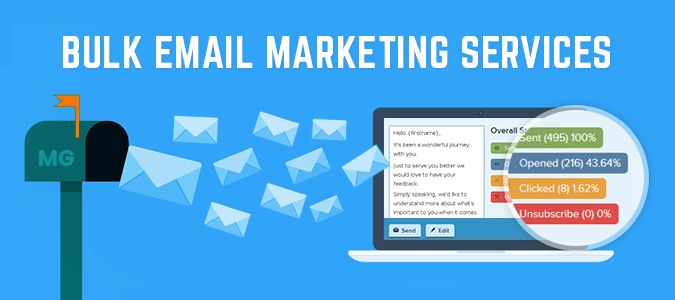
Bulk Email Marketing is often described as simply sending emails to a large group of people—but that definition barely scratches the surface. Most guides stop at basic strategies, ignoring the deeper systems that actually drive results.
At its core, bulk email marketing is a method of sending a single campaign to many recipients simultaneously to promote products, share updates, or build relationships . But in today’s competitive digital landscape, success depends on far more than just hitting “send.”
This guide goes beyond traditional advice and explores advanced strategies that top-ranking articles fail to explain.
🚀 Why Traditional Bulk Email Marketing Advice Is Outdated
Most blogs still recommend:
- “Write a catchy subject line”
- “Segment your audience”
- “Avoid spam words”
While useful, these tips are surface-level.
The real problem?
📉 Many campaigns fail not because of content—but because of:
- Poor email infrastructure
- Weak data strategy
- Lack of behavioral targeting
Modern bulk email marketing is no longer about sending emails—it’s about engineering inbox success.
⚙️ Deliverability Engineering: The Hidden Backbone
Most articles mention spam avoidance but fail to explain how email systems actually work.
🔑 What Really Matters:
- SPF (Sender Policy Framework)
- DKIM (DomainKeys Identified Mail)
- DMARC authentication
- Dedicated IP warming
Without these:
👉 Your emails may never reach inboxes—no matter how good your content is.
📌 Key Insight:
Inbox placement ≠ delivery rate
Even if emails are “sent,” they can land in spam folders silently.
📊 Behavior-Based Segmentation (Not Basic Lists)
Traditional advice suggests grouping users by:
- Age
- Location
- Interests
But modern email marketing uses behavioral data, such as:
- Last click
- Purchase history
- Time since last interaction
- Browsing behavior
💡 Why This Matters:
Research shows bulk emails perform better when content matches user intent rather than demographics .
🔥 Example:
Instead of:
Sending one email to all users
Use:
- Active users → promotional offers
- Inactive users → re-engagement campaigns
- New subscribers → onboarding emails
🧠 The Psychology Behind High-Converting Emails
Most guides ignore psychology—but it’s the core of engagement.
🧩 Key Psychological Triggers:
- Curiosity gaps (subject lines that create intrigue)
- FOMO (Fear of Missing Out)
- Social proof
- Reciprocity (giving value first)
📌 Real Insight:
People don’t open emails because they are “well-written.”
They open them because they feel compelled to know more.
🤖 AI-Driven Personalization (Game-Changer)
Bulk email marketing is evolving rapidly with AI.
💡 What AI Enables:
- Predicting the best send time
- Writing personalized subject lines
- Dynamic email content per user
- Behavior-triggered automation
🔥 Example:
Two users receive the same campaign:
- User A sees product recommendations
- User B sees educational content
👉 Same campaign, different experience.
📈 Inbox Placement Strategy (The Real KPI)
Most marketers track:
- Open rates
- Click rates
But the real metric is:
👉 Inbox placement rate
Why?
If your email never reaches the inbox:
- Open rate = irrelevant
- CTR = meaningless
🔑 Improve Inbox Placement:
- Maintain clean email lists
- Remove inactive users regularly
- Avoid sudden spikes in email volume
🧹 List Hygiene & Data Decay (Ignored by Most Blogs)
Email lists naturally degrade over time.
📉 Problems:
- Invalid emails
- Inactive subscribers
- Spam traps
📊 Reality:
Poor list hygiene leads to:
- Lower deliverability
- Higher bounce rates
- Spam classification
✅ Solution:
- Regular email verification
- Remove inactive users after 60–90 days
- Use double opt-in systems
🔄 Email Lifecycle Strategy (Beyond Campaigns)
Most guides treat email marketing as isolated campaigns.
But top marketers use email ecosystems:
🔁 Lifecycle Stages:
- Lead capture
- Welcome sequence
- Nurturing emails
- Conversion emails
- Retention emails
- Re-engagement campaigns
💡 Insight:
Bulk email marketing is not a one-time activity—
It’s a continuous customer journey system.
🧾 Content Frameworks That Actually Convert
Instead of random writing tips, use proven frameworks:
✉️ The 4-Part Email Structure:
- Hook (Subject + First Line)
- Relatable Problem
- Value or Solution
- Clear CTA (Call-to-Action)
📌 Example:
- Hook: “You’re losing customers without knowing it…”
- Problem: Explain a pain point
- Solution: Offer insight
- CTA: “Learn how to fix this”
⏱️ Send-Time Optimization (Underrated Factor)
Timing matters more than most realize.
🔍 Key Factors:
- User timezone
- Past open behavior
- Device usage patterns
💡 Pro Tip:
Instead of sending at a fixed time:
👉 Use AI tools to send emails when each user is most active.
📉 Why Most Bulk Email Campaigns Fail
Based on research and industry patterns:
❌ Common Mistakes:
- Sending to cold audiences
- Ignoring segmentation
- Over-emailing subscribers
- Poor subject lines
- Weak infrastructure
📊 Insight:
Even though email marketing has high ROI, poor execution leads to:
- High unsubscribe rates
- Spam complaints
- Low engagement
🔮 The Future of Bulk Email Marketing
Bulk email marketing is evolving into:
🚀 Future Trends:
- AI-powered campaigns
- Hyper-personalization
- Predictive analytics
- Privacy-first email systems
- Interactive emails
The future is not about sending more emails—
👉 It’s about sending smarter emails.
🧠 Final Thoughts
Bulk Email Marketing is no longer just about reaching a large audience. It’s about:
- Deliverability engineering
- Behavioral targeting
- Data management
- Psychological engagement
Most websites only scratch the surface—but real success lies in mastering the deeper layers.
If you implement these advanced strategies, your campaigns will not only reach inboxes—but drive real business growth.
❓ FAQs
1. What is bulk email marketing?
Bulk email marketing is sending a single email campaign to a large group of subscribers simultaneously for marketing or communication purposes .
2. Is bulk email marketing still effective in 2026?
Yes, it remains one of the most cost-effective marketing channels with measurable ROI when done correctly.
3. How can I avoid emails going to spam?
Use proper authentication (SPF, DKIM, DMARC), maintain list hygiene, and avoid sending to inactive users.
4. What is the difference between bulk email and spam?
Bulk email is permission-based, while spam is unsolicited communication sent without user consent .
5. What is the best strategy for bulk email marketing?
The best strategy includes:
- Behavioral segmentation
- Personalized content
- Strong deliverability setup
- Continuous optimization