

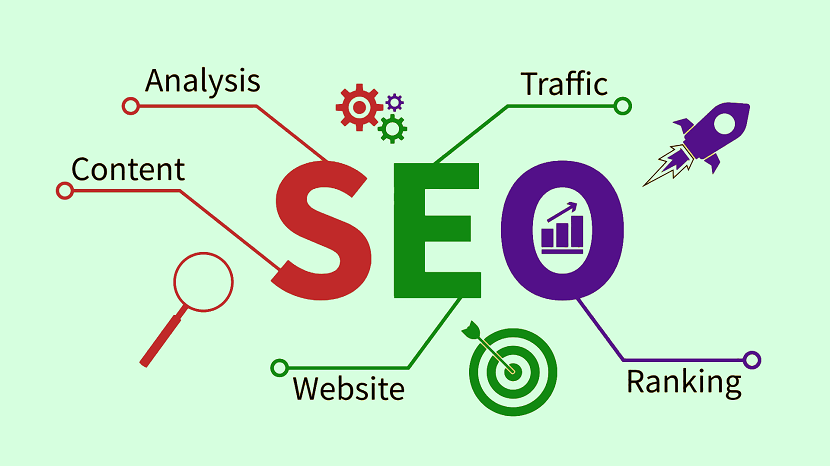
Search Engine Optimization (SEO) is more than just ranking a website on Google. It’s a strategic process that connects your content with the exact audience searching for it.
In simple terms, SEO is the practice of improving your website so it appears higher in search engine results and attracts organic (free) traffic.
But here’s the truth most articles don’t explain:
SEO is not just about search engines — it’s about understanding people, behavior, and intent.
At Vantagesresourcehub, we’ll break SEO down in a way that goes beyond definitions and into real-world application.
How SEO Actually Works (Beyond the Basics)
Most guides say SEO works through crawling, indexing, and ranking — and that’s correct. But that’s only the surface.
Here’s what really happens behind the scenes:
1. Search Engines Discover Content
Search engines use bots to scan websites and collect data.
2. They Analyze Meaning (Not Just Keywords)
Modern algorithms understand:
- Context
- User intent
- Topic relationships
3. They Match Content to Intent
Google doesn’t just rank pages — it ranks solutions to problems.
4. User Behavior Impacts Rankings
- Click your page
- Stay longer
- Interact with content
👉 Your rankings improve.
🧠 The Missing Piece: Search Intent Strategy
Most SEO articles mention keywords but ignore search intent, which is the real ranking factor.
There are 4 types of search intent:
- Informational – “what is SEO”
- Navigational – searching a brand
- Transactional – ready to buy
- Commercial – comparing options
If your content doesn’t match intent, it won’t rank — even with perfect SEO.
⚙️ Types of SEO (With Real Meaning)
1. On-Page SEO
Optimizing content and structure:
- Titles
- Headings
- Keywords
- Internal links
But modern on-page SEO = content clarity + user experience
2. Off-Page SEO
Building authority through:
- Backlinks
- Mentions
- Brand signals
👉 It’s not just links — it’s trust signals
3. Technical SEO
Improving:
- Website speed
- Mobile friendliness
- Crawlability
👉 Technical SEO ensures search engines can access and understand your site
🚀 The SEO Workflow (What Most Articles Don’t Show)
Here’s a real step-by-step SEO process:
Keyword Research
Find what people are searching.
Understand Intent
Ask:
👉 Why are they searching this?
Create Better Content
Not longer — better, clearer, more useful
Optimize Structure
- Headings
- Meta tags
- Internal links
Build Authority
- Backlinks
- Brand presence
Measure & Improve
SEO is not one-time — it’s continuous.
🔍 SEO in 2026: What Has Changed
Most top pages don’t discuss modern SEO trends.
1. AI is Changing Search
Search engines now:
- Understand context deeply
- Use AI to evaluate content quality
2. E-E-A-T is Critical
Experience, Expertise, Authority, Trust
👉 Google prefers real expertise over keyword stuffing
3. Zero-Click Searches
Users often get answers directly on search pages.
👉 You must optimize for:
- Featured snippets
- Quick answers
🧩 Entity SEO & Topical Authority (Advanced Concept)
This is rarely explained but very important.
What is Entity SEO?
Instead of focusing on keywords, Google understands:
- Topics
- Relationships between concepts
Example:
- Keywords
- Backlinks
- Technical SEO
- Content strategy
👉 This builds topical authority
🧠 SEO Psychology: Why Users Click
Ranking is not enough.
You must understand:
- What makes users click?
- What keeps them reading?
Key factors:
- Clear titles
- Emotional triggers
- Easy readability
👉 SEO is part psychology + marketing
⚠️ Common SEO Mistakes Beginners Mak
Keyword stuffing
Ignoring search intent
Writing for Google instead of users
No internal linking
Publishing thin contentFixing these can improve rankings faster than advanced tactics.
🏆 Content Quality vs Content Length
Many believe longer content ranks better.
👉 Wrong.
Search engines prioritize:
- Clarity
- Relevance
- Value
Not word count.
📊 Why SEO is Important
SEO helps you:
- Get free traffic
- Build authority
- Increase sales
- Grow long-term
🔮 Future of SEO
SEO is evolving fast.
Future trends:
- Voice search
- AI-generated results
- Personalized search
👉 The future belongs to:
✔ Helpful content
✔ Real expertise
✔ User-focused strategies
📌 Mini SEO Strategy for Beginners
If you’re starting today:
- Choose one niche
- Create 10 high-quality articles
- Focus on user intent
- Build internal links
- Optimize titles and meta descriptions
👉 Stay consistent for 3–6 months.
📢 Conclusion
Search Engine Optimization is not just about ranking higher — it’s about delivering value to users in the best possible way.
While most guides focus on definitions and basic tactics, the real success in SEO comes from:
- Understanding search intent
- Creating meaningful content
- Building authority
- Adapting to future trends
At Vantagesresourcehub, the goal is simple:
Help you master SEO with strategies that actually work in the real world.
❓ FAQs
1. What is search engine optimization in simple words?
SEO is the process of improving a website to rank higher on search engines and get free traffic.
2. Why is SEO important?
SEO helps businesses get organic traffic, build authority, and grow without paid ads.
3. How long does SEO take?
SEO usually takes 3–6 months to show noticeable results.
4. What are the main types of SEO?
The three main types are on-page SEO, off-page SEO, and technical SEO.
5. Is SEO still relevant in 2026?
Yes, SEO is more important than ever due to increasing competition and AI-driven search.